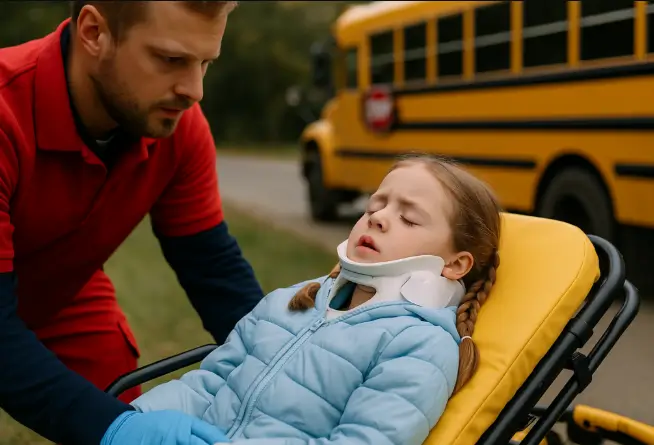
Bus accidents can cause serious injuries, expensive medical bills, and weeks or months away from work. Passengers, pedestrians, cyclists, and people in other vehicles may all suffer harm when a bus driver loses control or a vehicle fails on the road. Finding out who caused the crash is an important step toward understanding the options for recovering compensation.
When negligence contributes to a collision, an attorney handling bus accident cases can help injured people understand their rights, investigate the incident, and identify parties that may be responsible. The answer is not always as simple as blaming the driver. Company decisions, faulty repairs, defective parts, and the actions of other road users may also play a role.
Who Can Be Held Responsible for a Bus Accident?
A bus driver may be responsible if careless driving causes a collision. Speeding, distracted driving, following another vehicle too closely, and ignoring traffic signals can put passengers and other road users at risk. Drivers must also account for a bus’s size, stopping distance, and passenger safety. A sudden turn or hard stop can injure people inside the bus, even when the vehicle does not hit another car.
Other parties may share responsibility, depending on the evidence. A bus company may be liable if poor driver training, unsafe work schedules, or neglected maintenance contributed to the crash. A repair contractor may be responsible for faulty work, while a manufacturer could face a claim if a defective part caused the accident. Another motorist may also be at fault. Investigators must determine how each person’s actions contributed before liability can be established.
How Bus Companies and Maintenance Providers Affect Liability
Bus operators have a responsibility to take reasonable steps to protect passengers and the public. This includes arranging appropriate inspections, responding to reported mechanical problems, and making sure drivers are qualified for their duties. If a company allows a bus with known brake problems to remain in service, that decision may become important evidence in an injury claim. Training records, inspection reports, and internal communications may help explain what the company knew before the collision.
Maintenance providers and manufacturers may also become involved when a mechanical failure causes or worsens a crash. For example, an improperly repaired steering system or a defective brake component could affect a driver’s ability to control the vehicle. Establishing responsibility may require expert inspection, repair invoices, maintenance records, and information about the failed part. A mechanical defect alone does not prove negligence, but evidence connecting the defect to the crash can help clarify whether another party bears responsibility.
How Technology Can Help Explain a Bus Crash
Modern buses may contain cameras, GPS records, electronic control systems, and event data recorders. Depending on the equipment installed, these systems may help investigators understand the vehicle’s speed, braking, location, and movements before or during a collision. Interior cameras may show what happened to passengers, while exterior footage can capture traffic conditions and the actions of nearby drivers. These records can provide details that witnesses may not remember clearly.
Digital evidence can disappear if it is overwritten, deleted, or lost during routine system updates. Injured people may not have direct access to a bus operator’s recordings or technical records, so identifying relevant evidence quickly can be important. The National Highway Traffic Safety Administration’s Special Crash Investigations program explains how crash investigators examine vehicles, roadway evidence, safety systems, and medical information to better understand collisions. Although not every bus accident receives this level of investigation, the program shows why reliable evidence matters when determining how a crash occurred.
What Evidence Helps Prove Who Caused the Accident?
Photographs of the scene, damaged vehicles, road conditions, traffic signals, and visible injuries can help preserve important details. Witness names and contact information may also prove useful. Police reports can provide an initial account of the incident, while surveillance footage, driver records, vehicle inspection reports, and electronic data may offer further insight. No single piece of evidence necessarily settles the question of fault, so information from different sources should be considered together.
Medical records are equally important because they document injuries, treatment, and recovery needs. Keep copies of hospital bills, prescriptions, rehabilitation expenses, and records of missed work. Notes about pain, mobility problems, and changes to everyday activities may also help explain how the injury affects your life. Seek medical care promptly and follow your healthcare provider’s advice. Clear, consistent documentation can help connect the accident to the losses included in a compensation claim.
What Compensation May Be Available After a Bus Accident?
When another party’s negligence causes an injury, the injured person may be entitled to seek compensation for reasonable medical expenses, lost income, and future treatment. Depending on the circumstances, a claim may also include reduced earning capacity, rehabilitation costs, physical pain, emotional distress, and assistance needed at home. The amount depends on the seriousness of the injuries, the available evidence, applicable law, and the financial coverage available for the claim.
It is important to consider long-term effects before accepting a settlement. Some injuries require ongoing treatment or prevent a person from returning to the same job. An early offer may not reflect future medical needs or lasting limitations. Insurance representatives may ask for statements or medical records while reviewing the claim, so it is sensible to understand what is being requested and how the information may be used. A settlement release can also limit the ability to seek additional compensation later. Reviewing the offer carefully can help prevent decisions based on incomplete information.
What Should You Do After a Bus Accident?
Start by protecting your safety and seeking medical attention. Call emergency services when needed, report the collision to the appropriate authorities, and move away from immediate danger if it is safe to do so. If possible, photograph the scene and vehicle damage, and collect contact information from witnesses. Do not put yourself at risk to gather evidence. Your health should come before documenting the accident.
Afterward, organize medical records, receipts, insurance correspondence, and details about missed work. Avoid guessing about the cause of the crash or admitting fault before the facts are clear. Claims involving public transportation agencies or school districts may have special notice requirements and deadlines. These rules differ by jurisdiction, and missing a deadline can affect your ability to pursue compensation. Getting legal guidance early may help preserve evidence, identify responsible parties, and clarify the steps required for a claim.
Why Identifying Liability Matters
Bus accident claims can involve drivers, transportation companies, maintenance providers, manufacturers, and other motorists. Each potential defendant may have different insurance arrangements and records that need to be reviewed. A careful investigation helps establish which actions contributed to the crash and whether those actions caused the injuries. It can also reveal evidence that might otherwise be overlooked.
People injured in a bus accident should focus on recovery while keeping useful records and learning about their legal options. Responsibility depends on the facts and the law that applies to the incident, not simply on who owns the bus. Understanding the evidence, documenting the effects of an injury, and acting within applicable deadlines can help people make informed decisions about pursuing compensation.
This article provides general information and is not a substitute for legal advice about a specific accident.