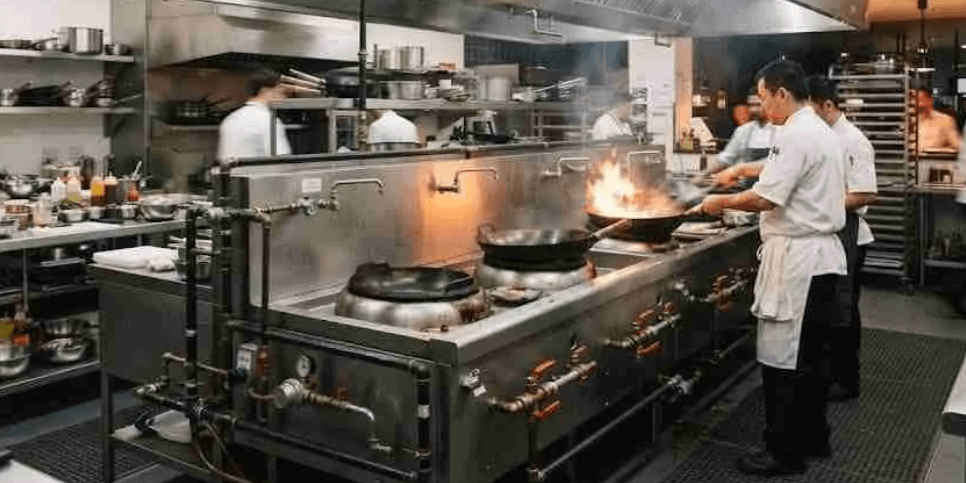
Professional kitchens are constantly looking for ways to improve efficiency without compromising food quality or workplace safety. In busy restaurants, bakeries, cafés, and catering operations, equipment selection can have a direct effect on preparation routines. Larger-format culinary gas containers can be relevant in environments where compatible dispensing systems are used regularly and preparation needs to remain consistent throughout service.
When considering a larger container, however, businesses should look beyond capacity alone. Equipment compatibility, storage conditions, handling procedures, staff training, and the intended culinary application all need to be considered together. A larger format may be practical for some professional environments, but it should always be used exactly as specified by the manufacturer.
Understanding Larger Culinary Containers
Culinary gas containers are designed to work with compatible food-preparation equipment. In applications involving whipped cream and similar preparations, the gas supports aeration when used through an appropriate dispenser.
A larger container can differ from smaller formats in terms of size, handling, connection requirements, and equipment compatibility. This means that users should never assume that every dispenser or accessory will work with every container.
Before introducing a larger format into a kitchen, managers should review the technical information supplied by the manufacturer. This can help ensure that the complete setup is appropriate for the intended culinary application.
Why Capacity Can Matter in Commercial Kitchens
A busy kitchen may prepare large quantities of whipped cream or other aerated culinary products during a single service period. In such situations, the number of preparation cycles can influence workflow efficiency.
Larger-format options may reduce the frequency with which certain components need to be replaced, depending on the equipment and application. This can potentially make routine preparation more organized.
However, greater capacity should not automatically be viewed as better. The correct format depends on the dispenser, kitchen volume, storage arrangements, and manufacturer’s specifications.
Evaluating a Professional Setup
Before choosing equipment, commercial kitchens should evaluate their existing preparation system.
Important questions include:
- Is the container compatible with the available equipment?
- Does the dispenser support the required format?
- Is there sufficient storage space?
- Are staff trained to handle the equipment?
- Does the product have an appropriate culinary application?
- Are cleaning and maintenance procedures clearly established?
For businesses researching a Rotass whip 640g option, these considerations can provide a useful framework for evaluating whether a particular format fits their kitchen setup.
Compatibility Comes First
Compatibility should always be confirmed before use. Pressurized culinary containers are not universal components, and equipment specifications can vary.
A dispenser should only be connected to a container or charger that it is designed to accept. The manufacturer’s instructions should explain the correct procedure and identify compatible equipment.
Using unsuitable components can result in poor performance and may introduce unnecessary safety concerns. For this reason, professional kitchens should keep product specifications accessible to employees who operate the equipment.
Storage Considerations
Proper storage is particularly important when working with pressurized containers.
Storage areas should follow the manufacturer’s recommendations and should protect containers from excessive heat, direct sunlight, physical damage, and other unsuitable conditions.
A commercial kitchen can establish a dedicated storage location so that containers are organized and protected. Staff should also know how to move and handle them appropriately.
Keeping storage areas organized can make it easier to inspect supplies and prevent containers from being placed near unsuitable heat sources or crowded equipment areas.
Handling Pressurized Equipment Responsibly
Although culinary applications are common, pressurized containers still require careful handling.
Containers should not be punctured, heated, modified, crushed, or deliberately damaged. Employees should follow the instructions supplied with both the container and the dispensing equipment.
Staff should also understand that culinary gas products are intended only for their specified applications. They should never be adapted for unrelated purposes.
Clear workplace procedures can help prevent accidental misuse, particularly when several employees share the same preparation area.
Food Safety and Hygiene
The gas container is only one component of the overall food-preparation process. The dispenser and all food-contact surfaces must also be maintained properly.
Cream dispensers can contain residue around valves, nozzles, seals, and other components. Regular cleaning according to the manufacturer’s instructions is therefore essential.
Commercial kitchens should establish cleaning schedules and make sure employees understand which parts need attention after use. Proper hygiene helps protect food quality while also supporting the long-term condition of the equipment.
Managing Ingredients
Good results depend on more than the equipment. Ingredients should also be handled appropriately.
For whipped-cream preparation, refrigerated cream is commonly used to achieve a suitable texture. Ingredients should be stored under appropriate food-safety conditions and checked before preparation.
Consistent ingredient management can help professional kitchens achieve more predictable results. When temperature, quantity, and preparation procedures are standardized, staff can reproduce the same outcome more easily.
Staff Training and Kitchen Procedures
Larger-format equipment may require additional attention because of its physical size and handling requirements. Employees should receive clear instructions before using unfamiliar equipment.
Training can cover:
- Identifying compatible equipment.
- Checking the container before use.
- Following the manufacturer’s operating instructions.
- Maintaining safe storage conditions.
- Cleaning food-contact equipment.
- Handling used containers appropriately.
A short written procedure can be useful for busy kitchens. It provides employees with a consistent reference and reduces dependence on individual assumptions.
Choosing Between Different Formats
There is no single format that is ideal for every kitchen.
A small café may prefer a compact setup because storage space and preparation volume are limited. A larger food-service operation may have different requirements because it prepares greater quantities throughout the day.
When comparing options, businesses should consider actual usage rather than simply choosing the largest available format. The right solution should balance capacity, compatibility, handling, storage, and operational needs.
Maintaining an Organized Preparation Area
Kitchen organization can have a significant effect on efficiency. Equipment and containers should have designated locations, while ingredients should be stored according to appropriate food-safety requirements.
An organized preparation station allows employees to identify the correct equipment quickly. It can also make cleaning and stock management easier.
Managers may benefit from periodically reviewing the workflow to identify unnecessary steps or potential safety concerns. Small improvements can make daily operations smoother without requiring major changes.
Responsible Use Is Essential
Professional culinary equipment should always be used responsibly. A larger container does not change the basic requirement to follow manufacturer instructions.
Businesses should avoid modifying equipment, combining incompatible components, or using pressurized containers outside their intended culinary purpose.
Responsible use protects employees, supports equipment performance, and helps maintain a professional kitchen environment.
FAQs
1. What should businesses consider when choosing a larger culinary container?
They should consider equipment compatibility, preparation volume, storage space, handling requirements, and the manufacturer’s specifications.
2. Are larger containers suitable for every dispenser?
No. Compatibility depends on the specific equipment. Users should confirm the correct format with the dispenser and container manufacturer’s instructions.
3. Why is proper storage important?
Pressurized containers need appropriate storage conditions to reduce the risk of damage and maintain safe handling practices.
See also: Ai-driven security tech: the future of safety and efficiency
Conclusion
Larger-format culinary gas containers can be useful in professional food-preparation environments when they match the kitchen’s equipment and operational requirements. Capacity is only one factor; compatibility, storage, hygiene, staff training, and responsible handling are equally important.
By evaluating the complete preparation system and following manufacturer instructions, restaurants, cafés, bakeries, and catering businesses can create a more organized approach to culinary equipment while keeping safety and food quality at the center of their operations.