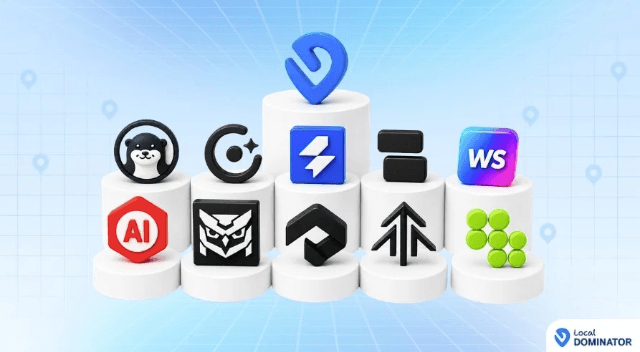
AI visibility trackers are specialized software platforms that measure a brand’s presence inside generative search engines, large language models, and AI answer boxes. They answer a direct need for marketers: identifying exactly when, where, and how often a business is cited as a source by artificial intelligence, rather than just tracking traditional website links.
For digital agencies, manually gathering this data across different AI engines creates severe operational bottlenecks. Consolidating these metrics into a central workspace allows teams to monitor conversational search environments efficiently. This shift from fragmented data collection to unified tracking ensures strategy adjustments are driven by accurate, real-time citation data.
Benefits of AI Search Tracking:
- Unified Data Collection: Aggregates multi-platform visibility metrics into a single, accessible dashboard.
- Accurate Attribution: Identifies exactly which pieces of content surface as AI source citations.
- Reduced Software Overhead: Combines multiple single-purpose data scrapers into one functional engine.
- Clear Competitor Benchmarking: Compares your client’s share of voice directly against industry rivals.
Key Elements of Effective AI Search Trackers
When evaluating the best AI visibility trackers, professionals look for specific technical features that effectively monitor generative search environments.
1. Multi-Platform LLM Monitoring
Tracking brand performance requires watching multiple engines simultaneously. Effective platforms pull data from ChatGPT, Perplexity, Gemini, Claude, and Google AI Overviews to provide a complete picture of search visibility.
2. Citation and Source URL Detection
Determining whether an AI model mentions your brand is only the first step. A proper all-in-one AI tracker identifies the specific web pages that AI engines crawl and reference to generate their answers, allowing agencies to understand which content performs best.
3. Sentiment and Context Analysis
Trackers must evaluate the context of a mention. They determine whether the AI engine recommends the brand positively, warns against it, or merely lists it alongside competitors neutrally.
4. Prompt-Level Search Volume Estimation
Agencies need to know which AI prompts drive actual traffic. Trackers reconstruct semantic query volume to find out which user questions matter most to the target audience.
5. Location-Specific Search Simulation
AI answers change based on the user’s geographic location. Trackers run test prompts from specific zip codes or countries to ensure localized results remain accurate.
Benefits of Adopting a Centralized Tracking Tool
Relying on fragmented manual processes leads to operational bottlenecks. Dedicated software provides distinct advantages for agency operations.
1. Elimination of Manual Collection Overload
Typing prompts into different AI engines every day wastes valuable time. Centralized tools automate the daily execution of complex tracking prompts across multiple platforms.
2. Consolidated Workspace Interfaces
Managing dozens of separate logins for different software tools creates friction. A unified tracker keeps all client data in one place, reducing context switching for account managers.
3. Unified Listing and Profile Syncing
Inefficient workflows, such as managing each client’s location individually, lead to inconsistent data. AI engines rely heavily on accurate local directory information. Using a centralized dashboard with integrated Google Business Profile management allows agencies to update hours, schedule posts, and respond to reviews across multiple locations simultaneously. This keeps the core data feeding local AI answers accurate without requiring users to switch platforms.
4. Standardized Client Reporting
Agencies must prove their value clearly. Centralized tools deliver shareable dashboards that present traditional SEO metrics and AI visibility data in a single cohesive report.
5. Rapid Competitive Gap Identification
Centralized trackers identify the exact citation sources competitors use. This allows content teams to quickly identify gaps in their own strategy and counter competitor moves.
See also: Advertise Your Business on a Small Budget Without Sacrificing Results
Trends in Modern Search Visibility Tracking
Staying current with search developments helps agencies maintain a modern, effective strategy. Key trends include:
- Synthetic Buyer Personas: Using simulated profiles to track how AI models customize answers for different stages of the buying journey.
- Pixel-Level Visibility Tracking: Measuring exactly how far down the screen traditional organic listings are pushed by new AI answer boxes.
- Generative Engine Optimization (GEO) Auditing: Automated checking of structural data and authority signals that AI models use to verify sources.
- Real-Time Volatility Alerts: Sending immediate notifications to account managers when a core brand citation drops from a highly trafficked AI response.
- Cross-Channel Trend Forecasting: Predicting future traffic impacts based on shifting LLM recommendation frequencies.
How a Dedicated Visibility Tracker Can Boost Your Agency
Implementing dedicated tracking software transforms agency operations and drives business growth:
- Protect and Retain Client Accounts: Prove a clear return on investment (ROI) by showing clients exactly where they dominate AI responses.
- Scale Operations Efficiently: Manage more client accounts simultaneously without needing to expand headcount for manual data collection.
- Win New Business with Predictive Insights: Use gap analysis reports during sales pitches to show prospects exactly where they are currently invisible to AI.
- Streamline Team Execution: Give content creators, technical staff, and account managers a single, unified source of data.
- Maintain Stable Strategic Focus: Base content production decisions on verified citation data rather than assumptions or guesswork.
Conclusion
Adapting to generative search requires clear data and efficient workflows. By moving away from fragmented tools and adopting unified tracking platforms, agencies can eliminate manual bottlenecks, ensure accurate data, and execute more effective optimization strategies. For businesses navigating these changes, Local Dominator provides the infrastructure needed to succeed. Local Dominator is a cloud-based Search Everywhere Platform specializing in unified local SEO and AI search tracking for local agencies and businesses. It serves as a single source of truth that integrates SERP analytics and citations to make visibility simple, predictable, and scalable across all digital touchpoints.