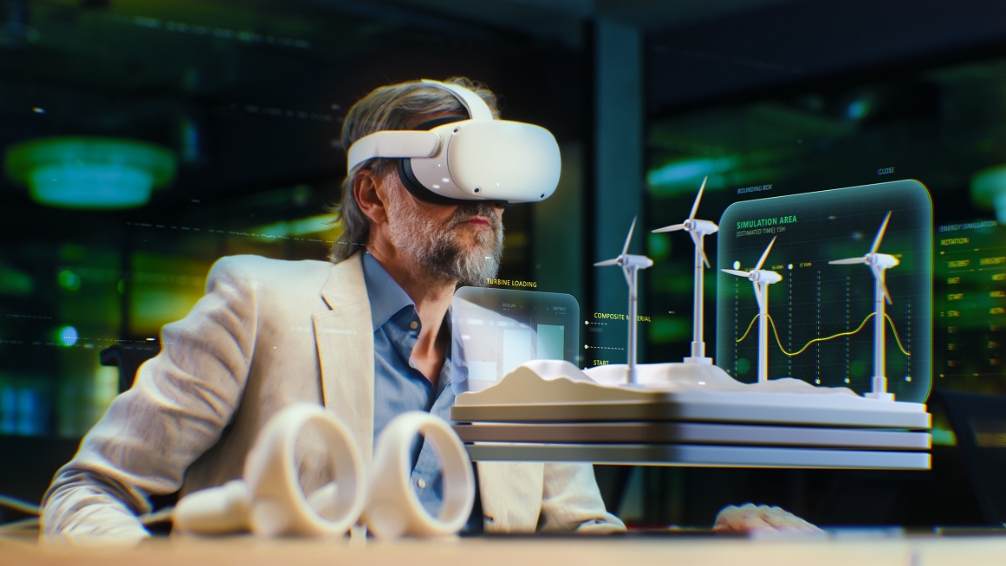
The future of Extended Reality (XR) is poised for significant transformation. Emerging trends suggest a shift towards more intuitive interfaces and realistic simulations. Industries such as entertainment and education stand to benefit greatly from these advancements. However, challenges remain in terms of accessibility and widespread adoption. As XR evolves, it raises critical questions about its integration into daily life and the implications for social interaction. What innovations lie ahead, and how will they shape our experiences?
Emerging Trends in Extended Reality
In recent years, a significant surge in interest has propelled the development of extended reality (XR), encompassing virtual reality (VR), augmented reality (AR), and mixed reality (MR).
Emerging trends indicate a focus on enhancing immersive experiences, driving user engagement through more intuitive interfaces and realistic simulations.
As technology evolves, XR promises to redefine how individuals interact with digital content and each other, fostering a deeper sense of presence.
Transformative Applications Across Industries
The growing interest in extended reality (XR) technologies has led to innovative applications across various industries, fundamentally altering traditional practices and enhancing operational efficiency.
Virtual training programs now utilize XR to simulate real-world scenarios, improving skill acquisition and retention.
Additionally, immersive storytelling captivates audiences, fostering deeper connections with content and brands, ultimately reshaping marketing strategies and consumer engagement in powerful, transformative ways.
See also: The Future of Ethical Technology
Challenges Facing XR Adoption
Although extended reality (XR) offers numerous advantages, its widespread adoption encounters significant challenges that must be addressed for successful integration.
Key issues include regulatory hurdles that complicate compliance and hinder innovation.
Additionally, user accessibility remains a critical concern; technological disparities can limit engagement and participation.
Addressing these challenges is essential for unlocking XR’s full potential and ensuring equitable access for all users.
Future Innovations and Possibilities
As the landscape of technology continues to evolve, the potential for future innovations in extended reality (XR) appears boundless.
Emerging advancements in virtual reality and augmented reality promise immersive experiences that transcend current limitations. Enhanced sensory feedback, seamless integration with daily life, and collaborative environments could redefine entertainment, education, and social interaction, ultimately granting users unprecedented freedom to explore and engage with digital realms.
Conclusion
As Extended Reality continues to evolve, its potential impact across various sectors is striking. A report indicates that the global XR market is projected to reach $209.2 billion by 2022, highlighting the growing investment and interest in immersive technologies. This surge underscores the importance of overcoming current challenges to fully realize XR’s capabilities. Ultimately, the future of XR promises not only enhanced user experiences but also transformative solutions that address accessibility and foster collaboration in an increasingly digital world.